
What to consider when purchasing land for a Modular Home in WA
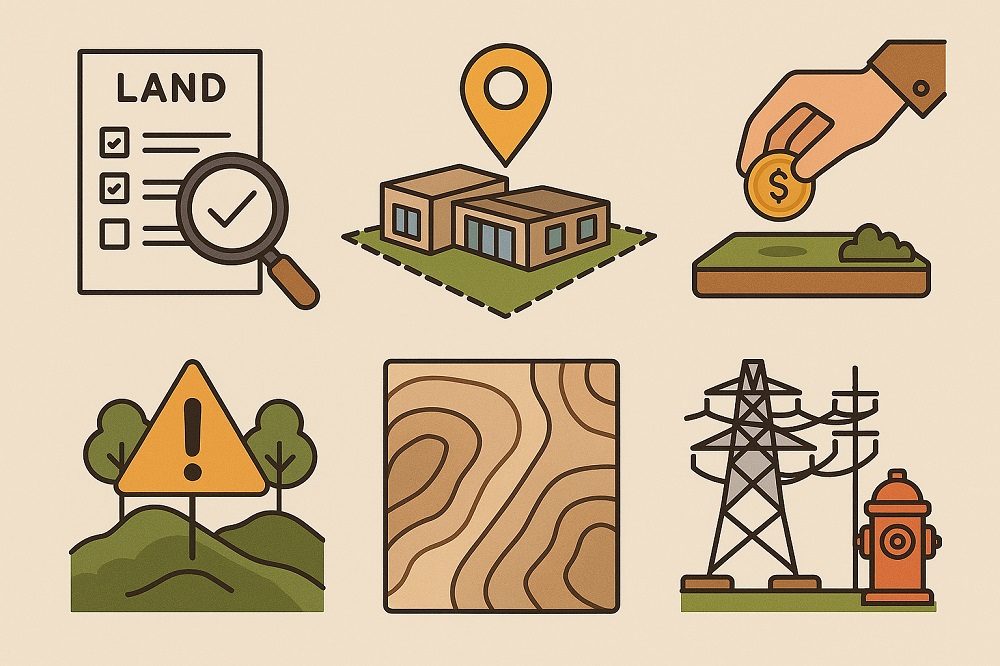
Choosing the right block of land is one of the most important decisions you’ll make when planning to build a modular home. While modular buildings are fast, customizable, and affordable, the land you buy plays a key role in approval, transportation and final build cost. Consider the following:
Confirm zoning and local shire requirements
Working with local WA shires early helps avoid delays. Modular homes often meet council regulations, but zoning rules, minimum dwelling sizes, and design requirements can differ significantly. A quick review of the block’s zoning and planning codes ensures your chosen design will pass approvals without costly changes later.
Zoning type
Residential, rural, special rural, or lifestyle zoning will determine whether modular or transportable homes are allowed.
Minimum dwelling size
Some shires require larger minimum build sizes that may not suit smaller modular cabins.
Setbacks
These rules dictate how far your modular home must sit from boundaries, roads, and easements.
Modular acceptance
Most WA shires accept modular builds when they meet Australian Standards, but some require extra engineering or aesthetic guidelines.
Check site accessibility for delivery
It’s important to check whether trucks and cranes can safely access the site. Reviewing road widths, turning areas, obstacles, and ground stability prevents unexpected transport issues. Early assessment ensures accurate delivery costs and avoids surprises on installation day.
Road width & turning space
Delivery trucks carrying large modular sections need space to turn and maneuver.
Overhead obstacles
Low bridges, powerlines, and overhanging trees can block delivery routes.
Crane access
Cranes need stable ground, space to set up, and clearance to lift modular sections into place.
On-site maneuvering space
A modular unit may need temporary placement before it’s positioned permanently.
Understand soil conditions
A soil test gives clarity on foundation requirements and overall site suitability. Different WA regions have varying soil profiles, which affect footing design and build cost. Knowing these conditions early helps refine budget expectations and avoids redesigning later. A soil report reveals:
Soil reactivity
Highly reactive clay requires more robust and more expensive foundations.
Rock presence
Significant rock content increases excavation difficulty.
Water table levels
A high water table affects drainage, foundations, and septic design.
Drainage capability
Poor drainage can lead to structural issues and erosion.
Consider the slope and contours of the land
Moderately sloping sites can often be managed with adjustable foundations, but steep blocks add engineering and preparation costs. Reviewing contour levels helps determine where the cabin can sit, what earthworks are needed, and whether drainage improvements should be planned.
Flat blocks reduce costs
Fewer earthworks, simpler foundations, and easier delivery.
Sloping blocks may require retaining
Walls, stepped foundations, and engineered piers increase budget.
Water run-off direction
Downhill run-off toward your build site may require additional drainage systems.
Layout limitations
Steep or uneven land reduces placement flexibility for modular units.
Check services and utility availability
Many rural blocks require alternative solutions for power, water, sewers, and the internet. Understanding what services are available, or what needs to be installed helps you plan tanks, septic systems, or off-grid systems. This ensures the home is fully functional from day one.
Power access
If no mains power is available, you’ll need trenching, poles, or solar/off-grid systems.
Water availability
Rural blocks may require rainwater tanks or bore water.
Sewer vs septic
Urban blocks connect to sewerage; rural blocks use septic or ATU systems.
NBN and internet
Check if the property has NBN fibre, fixed wireless, Sky Muster satellite, or requires upgrades.
Stormwater systems
Some councils require soak wells or drainage solutions before approval.
Bushfire attack level (BAL) requirements
Bushfire ratings vary widely across WA, especially in bushland areas. A BAL assessment determines the type of materials and construction features required. Higher ratings increase costs, so knowing the site’s risk level upfront helps with design decisions and budgeting.
BAL rating determines construction requirements
BAL-LOW, BAL-12.5, BAL-19, BAL-29, BAL-40, and BAL-FZ each carry different material and engineering requirements.
Higher BAL = higher build costs
May require fire-resistant cladding, ember-proof vents, thicker glazing, and sealed junctions.
Site vegetation & slope influence BAL
Heavier vegetation and steep surrounding land increase fire risk.
Home placement affects BAL
Adjusting where the home sits on the block can reduce BAL and save thousands.
Orientation and environmental conditions
Good orientation enhances natural light, ventilation, and energy efficiency. Assessing sun exposure, natural shading, and wind exposure ensures comfortable living and reduces reliance on heating and cooling. This is especially important in regions with strong seasonal weather patterns.
North-facing living areas
Capture warm winter sun, reducing heating costs.
Natural shading
Trees and verandahs reduce heat exposure during summer.
Consider wind zones
Coastal or elevated regions may require additional bracing or engineering.
Size, shape, and usable area of the block
Some blocks have awkward shapes or restricted building envelopes that limit placement options. Reviewing the usable space helps plan the home location, outdoor areas, parking, and any future expansions.
Irregular blocks limit placement
Triangular or narrow shapes reduce modular positioning options.
Setbacks reduce building area
Your building envelope may be much smaller than the land size.
Outdoor spaces
Plan for outdoor decks, gardens, sheds, and parking.
Total cost of preparing the land
Site preparation can make a significant difference to the overall budget. Clearing vegetation, levelling ground, connecting services, and arranging delivery need to be factored in early. A clear breakdown of these costs helps avoid unexpected overruns and ensures the block is truly suitable.
Earthworks and clearing
Vegetation removal, sand pads, or levelling.
Foundation engineering
Costs increase with clay soils, slopes, or poor drainage.
Service connection costs
Power, water, sewer/NBN, drainage.
Delivery and craning
Costs vary by distance and site accessibility.
BAL compliance or shire-required upgrades
Bushfire ratings or engineering may add costs.
Conclusion
Purchasing the right block of land is just as important as choosing the right modular home design. By understanding site conditions, council requirements and access needs, you can confidently select land that supports a smooth build and avoids unexpected costs. Let Aussie Bush Cabins assist you in preparation and all the necessary requirements of getting the right block of land for your modular home build! Contact us today.