
Is it possible to expand your modular home at a later stage?
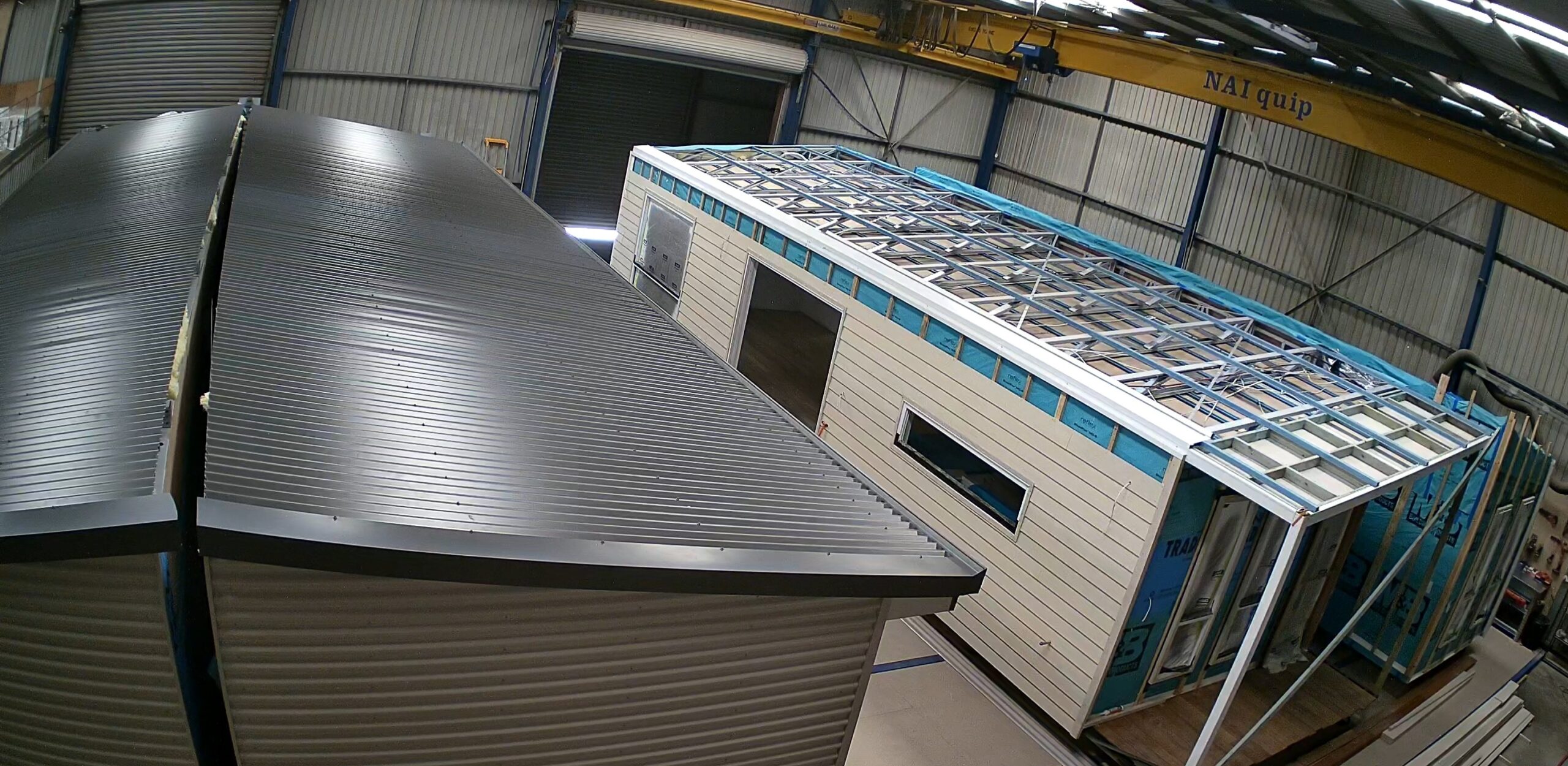
Yes, it is possible to expand a modular home later, provided it is planned properly from the beginning.
At Aussie Bush Cabins, we are currently working through this exact process with a client. In this example, the original cabin was designed so that one wall frame already allows for a future doorway connection. The door itself has not been installed yet, but the structure has been prepared so it can be added later when the next stage goes ahead.
This approach gives clients flexibility. Rather than trying to build everything at once, they can start with the space they need now and plan for future growth.
Why would someone expand later?
For some, it comes down to budget. A loan may only allow for a certain amount initially, so it makes sense to build the first stage now and leave room for expansion later. For others, it is about timing. They may not need the extra space immediately but want the option to add it in the future as their needs change.
Common reasons for planning a later expansion include:
- adding another bedroom
- creating more living space
- making room for family members
- building a guest space
- adding an area that could later be used for Airbnb or short-stay accommodation
Planning for a future connection
The easiest way to allow for a later addition is to prepare one side of the cabin so it can accommodate a future join. This means the modular home can function well as a standalone unit now, while already being designed to connect to another cabin later.
This usually involves:
- framing the nominated wall so it can accept a future door opening
- allowing for the right structural support within the wall frame
- documenting the future opening clearly in the plans
- making sure the layout works both as a standalone cabin and as part of a connected arrangement
How does the future join work?
If a second cabin is added later, the process is generally straightforward in principle because the original cabin was designed with that connection in mind.
The process would be:
- remove the external cladding from the nominated joining side
- expose the prepared wall frame
- form the doorway opening within the pre-planned framed section
- position and connect the new adjoining cabin
- install the required flashings, seals and junction details
- reinstate the external weatherproofing so the final connection is watertight
Why this approach makes sense
Planning for a future expansion offers several benefits.
It spreads out the cost: Rather than committing to the full build upfront, owners can stage the project over time.
It gives you flexibility: Your needs may change over the years. What starts as a one-bedroom cabin can later become a larger living arrangement.
It reduces disruption later: It is far easier to expand a cabin that was designed for a future connection than to retrofit an unplanned opening into an external wall.
It supports long-term use: A staged modular design can help create larger family accommodation, accessible living arrangements, or a side business over time.
It protects the original investment: Instead of outgrowing the first cabin and starting again, you can build on what is already there.
Important design considerations
While the idea sounds simple, the detailing is important.
A future join should always consider:
- structural framing requirements
- weatherproofing and flashing design
- floor level alignment
- roof junction detailing
- acoustic separation
- fire separation where required
- internal circulation and door placement
Conclusion
One of the biggest strengths of modular construction is flexibility. Our cabins do not have to be built in its final form on day one. With the right planning, it can evolve over time, making it a smart option for buyers who want to start with what they can afford while keeping the door open for future growth.
By planning the structural framing, layout, and future connection points from the start, a modular home can be expanded later with far less disruption than an unplanned alteration. Whether the goal is an extra bedroom, more living space, or a future Airbnb addition, staged modular growth can be a practical and cost-effective solution.
Want to find out how Aussie Bush Cabins can help you create a home that fits your needs and budget? Contact us for more information today!